⭐⭐⭐⭐⭐ A must-visit for burger lovers! I came here with a group of friends and ordered the smash burger with bacon and cheddar, served with crispy waffle fries and a flavorful dipping sauce. The burger was absolutely incredible — juicy, well-seared patties, crispy bacon, and a soft bun that held everything together perfectly. The fries were also a highlight: super crispy, well-seasoned, and paired with a tasty sauce that brought it all together. Great selection of craft beers and drinks to choose from. The atmosphere is casual and fun, with quick service and friendly staff. Highly recommended for a night out with friends and some seriously good food!
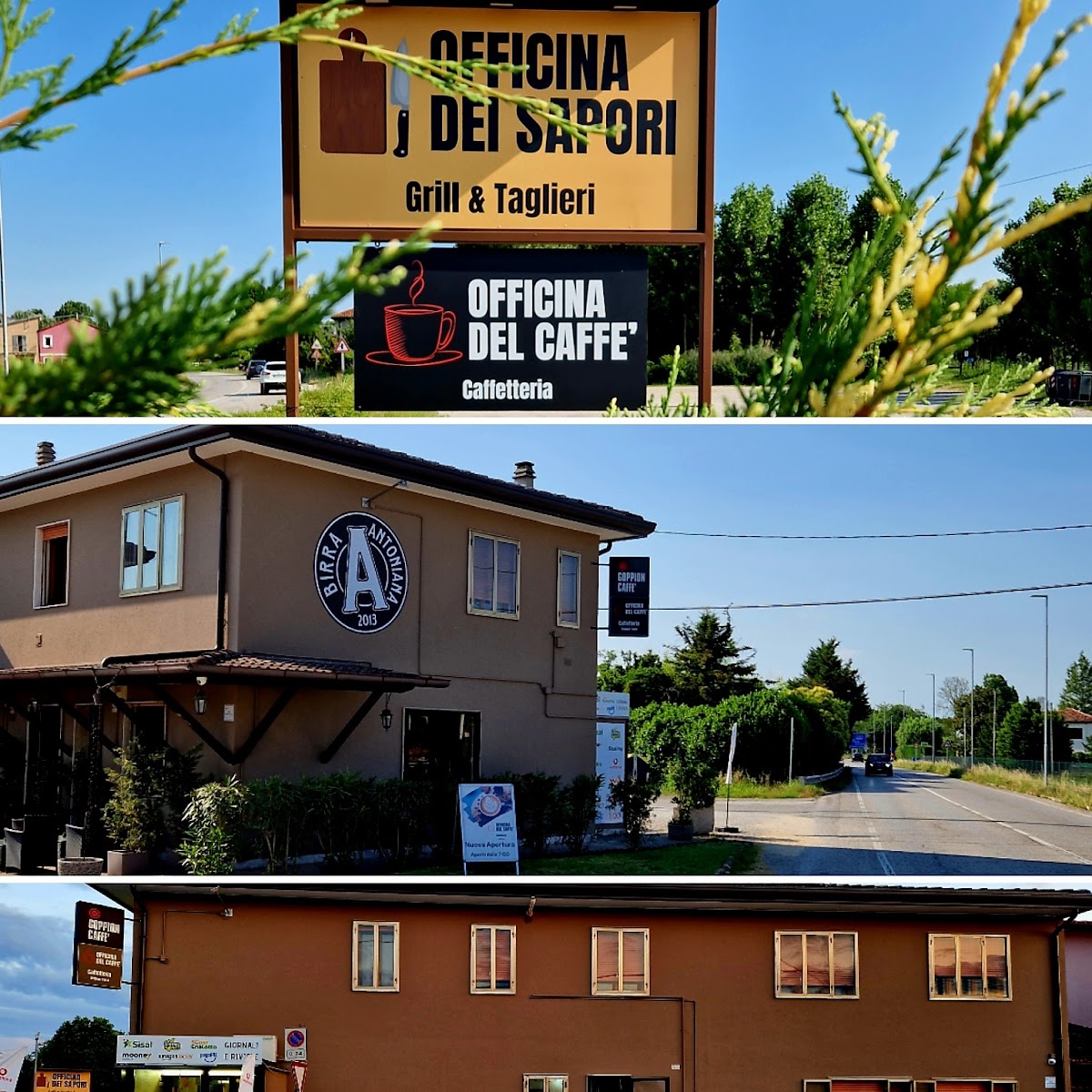
Overview
The menu leans heavily on grilled meats, cured selections, and generous taglieri boards meant to be shared. One evening, our table ordered a mixed board with local salumi, aged cheeses, and house-made focaccia. The staff explained where each cut came from and how long it had been aged, which instantly builds trust. This isn’t storytelling for show; it matches what organizations like the Italian Slow Food movement advocate-short supply chains, transparency, and respect for regional producers. According to data from the FAO, shorter food chains help preserve quality and reduce waste, and you can taste that philosophy here.
The grilling process is where things get interesting. Rather than blasting everything at high heat, the kitchen uses controlled temperatures and resting times, a method supported by culinary research from institutions such as the Culinary Institute of America. Resting meat after grilling allows juices to redistribute, which is why the steaks arrive tender instead of dry. I watched the chef explain this to a curious diner one night, breaking down the process in plain language, no ego attached. That kind of openness is rare and refreshing.
Reviews from regulars often mention consistency, and that matches my experience. Whether it’s a thick-cut ribeye or a platter of grilled vegetables, the seasoning is balanced and never hides the main ingredient. One case that stands out is their pork ribs, sourced from a nearby farm. A friend who works in food distribution pointed out that the texture and flavor suggested proper animal welfare and feeding practices, something backed by European food quality studies linking ethical farming to better taste.
Beyond the food, the atmosphere plays a big role. The space feels informal, with wooden tables and an open grill that keeps things lively. It’s the kind of place where conversations flow easily, helped along by a short but thoughtful wine list featuring regional bottles. Staff recommendations are practical rather than pushy, which builds confidence, especially for visitors unfamiliar with local labels.
There are limitations worth noting. Seating is not extensive, so weekends can mean a wait, and the menu doesn’t cater heavily to strict vegan diets. That said, the kitchen is upfront about what it can and can’t do, which matters more than pretending to please everyone. Transparency like this is a cornerstone of trustworthiness in hospitality, echoed by consumer research from European restaurant associations showing that clear communication improves diner satisfaction even when options are limited.
What keeps people coming back is the sense that this place knows exactly what it wants to be. It’s not chasing trends or gimmicks. It focuses on honest grilling, shareable boards, and a neighborhood feel that turns first-time visitors into regulars. When someone at the table described the experience as authentic Italian comfort, everyone nodded in agreement, because it fit perfectly.
Good to know
Service options
✓ Delivery ✓ Takeaway ✓ Dine-inHighlights
✓ Great beer selection ✓ Great coffee ✓ Great wine list ✓ Rooftop seatingPopular for
✓ Lunch ✓ Dinner ✓ Solo diningAccessibility
✓ Wheelchair-accessible car park ✓ Wheelchair-accessible entrance ✓ Wheelchair-accessible seating ✓ Wheelchair-accessible toiletOfferings
✓ Alcohol ✓ Beer ✓ Cocktails ✓ Coffee ✓ Happy-hour drinks ✓ Happy-hour food ✓ Healthy options ✓ Late-night food ✓ Organic dishes ✓ Quick bite ✓ Salad bar ✓ Small plates ✓ Spirits ✓ Vegetarian options ✓ WineDining options
✓ Brunch ✓ Lunch ✓ Dinner ✓ Catering ✓ Counter service ✓ Dessert ✓ Seating ✓ Table serviceAmenities
✓ Bar on site ✓ ToiletAtmosphere
✓ Casual ✓ Cosy ✓ QuietCrowd
✓ Family friendly ✓ GroupsPlanning
✓ Brunch reservations recommended ✓ Lunch reservations recommended ✓ Dinner reservations recommended ✓ Accepts reservationsPayments
✓ Cheques ✓ Credit cards ✓ Debit cards ✓ NFC mobile paymentsChildren
✓ Good for kids ✓ High chairs ✓ Kids' menuParking
✓ Free of charge street parking ✓ Free parking lot ✓ ParkingPets
✓ Dogs allowedPhotos
1 / 4
Location
Reviews
- No ratings yet 1421 reviews
Very nice place, good hamburger and perfect service! 5 stars!
We had a delicious italian lunch with roasted chicken, great pastas and nice salad while travelling through Italy. I can recommend it to everyone!